
ABATEC · PROJECT SOLUTIONS
FOTAS – fibre optic sensing
Optical fibres as distributed sensors: select systems for acoustic events, temperature or temperature gradients in security, infrastructure and industrial projects. System design is tailored to the project.
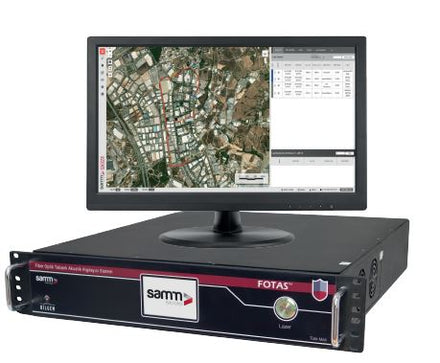
What is FOTAS?
FOTAS is a family of distributed fibre optic monitoring systems. A suitable optical fibre acts as a sensor along a route. A processing unit, also called an interrogator, analyses changes in returning optical signals and assigns them to locations along the fibre. The selected sensing principle determines whether acoustic events, temperature or thermal changes are assessed. Each system has its own sensing capabilities, and existing fibres must be checked for suitability.
Which sensing principle fits your application?
DAS
Vibrations and acoustic events · for example fence tampering or excavation. View matching systems.
DTS
Temperature profile along the sensing cable · for example cable heating or tunnel monitoring. View matching systems.
DTGS
Spatial and temporal thermal changes · for example thermal anomalies near pipelines. View matching systems.
Where is FOTAS used?
Products at a glance

DTS Technology
FOTAS DTS 10 km CH1Part number: DTS-CH1-10KM
- Technology:
- DTS
- Measurement channels:
- 1
- Range per channel:
- up to 10 km
Project-specific configuration and quotation

DTS Technology
FOTAS DTS 2 km CH4 four-channel temperature sensing system | DTS-CH4-02KMPart number: DTS-CH4-02KM
- Technology
- DTS
- Sensing channels
- 4 Kanäle
- Range per channel
- 2 km
Project-specific configuration and quotation
DTGS Technology
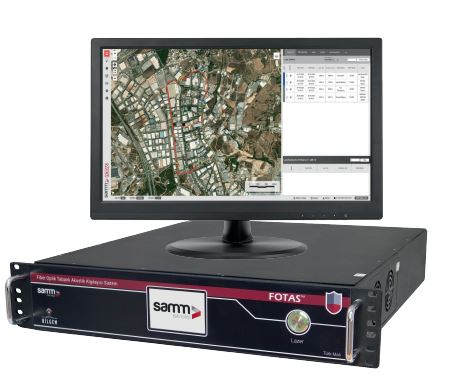
FOTAS DTGS 30 km SCHPart number: DTGS-SCH-30KM-S
- Technology:
- DTGS
- Channel count:
- confirm for the project
- Range class:
- 30 km; confirm channel allocation
Project-specific configuration and quotation
DAS Technology
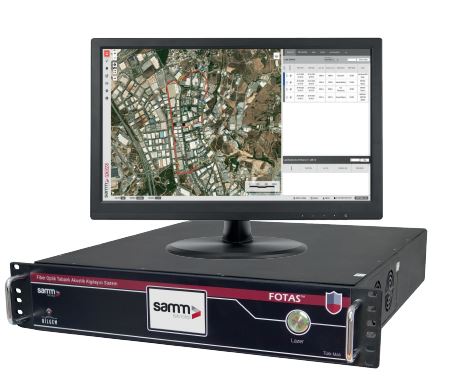
FOTAS D-50Part number: DAS-DCH-50KM-S
- Technology:
- DAS
- Sensing channels:
- 2
- Range per channel:
- up to 50 km
- Total range:
- up to 100 km
Project-specific configuration and quotation

DTS Technology
FOTAS DTS 10 km CH2 dual-channel temperature sensing system | DTS-CH2-10KMPart number: DTS-CH2-10KM
- Technology
- DTS
- Sensing channels
- 2 Kanäle
- Range per channel
- 10 km
Project-specific configuration and quotation

DAS Technology
FOTAS D-30 dual-channel DAS system | DAS-DCH-30KM-SPart number: DAS-DCH-30KM-S
- Technology
- DAS
- Sensing channels
- 2 Kanäle
- Range per channel
- 30 km
Project-specific configuration and quotation

DTS Technology
FOTAS DTS 4 km CH4 four-channel temperature sensing system | DTS-CH4-04KMPart number: DTS-CH4-04KM
- Technology
- DTS
- Sensing channels
- 4 Kanäle
- Range per channel
- 4 km
Project-specific configuration and quotation

DAS Technology
FOTAS S-50 single-channel DAS system up to 50 km | DAS-SCH-50KM-SPart number: DAS-SCH-50KM-S
- Technology
- DAS
- Sensing channels
- 1 Kanal
- Range per channel
- 50 km
Project-specific configuration and quotation
FOTAS project advice
We help select the sensing principle and coordinate your route, sensing fibre and interfaces.
- Quality
- Speed
- Reliability
- Flexibility
DTS Technology
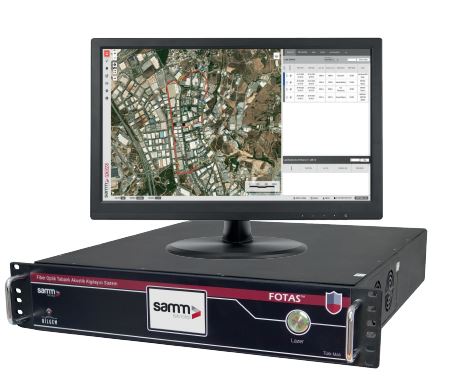
FOTAS DTS 2 km CH2 dual-channel temperature sensing system | DTS-CH2-02KMPart number: DTS-CH2-02KM
- Technology
- DTS
- Sensing channels
- 2 Kanäle
- Range per channel
- 2 km
Project-specific configuration and quotation
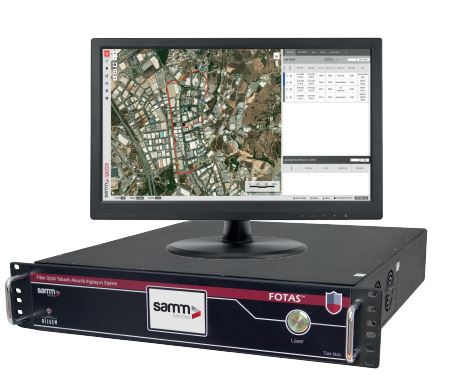
DTS Technology
FOTAS DTS 8 km CH2 dual-channel temperature sensing system | DTS-CH2-08KMPart number: DTS-CH2-08KM
- Technology
- DTS
- Sensing channels
- 2 Kanäle
- Range per channel
- 8 km
Project-specific configuration and quotation

DTS Technology
FOTAS DTS 10 km CH4 four-channel temperature sensing system | DTS-CH4-10KMPart number: DTS-CH4-10KM
- Technology
- DTS
- Sensing channels
- 4 Kanäle
- Range per channel
- 10 km
Project-specific configuration and quotation

DTS Technology
FOTAS DTS 4 km CH2 dual-channel temperature sensing system | DTS-CH2-04KMPart number: DTS-CH2-04KM
- Technology
- DTS
- Sensing channels
- 2 Kanäle
- Range per channel
- 4 km
Project-specific configuration and quotation

DTGS Technology
FOTAS DTGS 50 km SCH temperature gradient sensing system | DTGS-SCH-50KM-SPart number: DTGS-SCH-50KM-S
- Technology
- DTGS
Project-specific configuration and quotation

DTS Technology
FOTAS DTS 8 km CH1 single-channel temperature sensing system | DTS-CH1-08KMPart number: DTS-CH1-08KM
- Technology
- DTS
- Sensing channels
- 1 Kanal
- Range per channel
- 8 km
Project-specific configuration and quotation

DTGS Technology
FOTAS DTGS 50 km DCH temperature gradient sensing system | DTGS-DCH-50KM-SPart number: DTGS-DCH-50KM-S
- Technology
- DTGS
Project-specific configuration and quotation

DAS Technology
FOTAS D-5 dual-channel DAS system up to 5 km per channel | DAS-DCH-05KM-XPart number: DAS-DCH-05KM-X
- Technology
- DAS
- Sensing channels
- 2 Kanäle
- Range per channel
- 5 km
Project-specific configuration and quotation

DTS Technology
FOTAS DTS 8 km 4CH four-channel temperature sensing system | DTS-CH4-08KMPart number: DTS-CH4-08KM
- Technology
- DTS
- Sensing channels
- 4 Kanäle
- Range per channel
- 8 km
Project-specific configuration and quotation
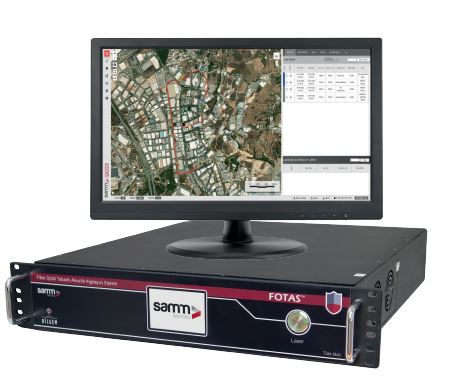
DTGS Technology
FOTAS DTGS 30 km DCH temperature gradient sensing system | DTGS-DCH-30KM-SPart number: DTGS-DCH-30KM-S
- Technology
- DTGS
Project-specific configuration and quotation

DTS Technology
FOTAS DTS 4 km CH1 single-channel temperature sensing system | DTS-CH1-04KMPart number: DTS-CH1-04KM
- Technology
- DTS
- Sensing channels
- 1 Kanal
- Range per channel
- 4 km
Project-specific configuration and quotation

DAS Technology
FOTAS S-10 single-channel DAS system up to 10 km | DAS-SCH-10KM-XPart number: DAS-SCH-10KM-X
- Technology
- DAS
- Sensing channels
- 1 Kanal
- Range per channel
- 10 km
Project-specific configuration and quotation

DTS Technology
FOTAS DTS 2 km CH1 single-channel temperature sensing system | DTS-CH1-02KMPart number: DTS-CH1-02KM
- Technology
- DTS
- Sensing channels
- 1 Kanal
- Range per channel
- 2 km
Project-specific configuration and quotation
How does an optical fibre become a sensor?
Measure along the route rather than only at individual points
The interrogator sends light pulses into the fibre and analyses backscattered light. Timing and signal changes provide location-specific information. The sensing cable follows the monitored route or is installed in a suitable nearby position. Many locations can therefore be covered by one fibre without installing an active point sensor at each location.
DAS: acoustic and mechanical events
DAS analyses vibration-induced changes in optical backscatter. Relevant signals can include people, vehicles, fence tampering or excavation. Motion is sensed through mechanical coupling to the fibre; DAS provides no camera images and does not automatically identify a unique event cause.
DTS and DTGS: temperature and thermal behaviour
DTS determines a temperature profile along a suitable sensing fibre by analysing temperature-sensitive components of backscattered light. DTGS considers thermal changes, gradients and trends across location and time. This information can highlight anomalies; measurement resolution, thresholds and alarm functions depend on the system offered.
Sensing fibre, installation and processing work together
Existing available fibre may be suitable; alternatively, a dedicated sensing cable is installed. Fibre type, loss, connections and route require optical checks. DAS also depends on mechanical coupling; thermal applications depend on heat transfer to the cable. Alarm zones, background activity and processing logic are planned together.

Where is FOTAS used?
These examples provide initial guidance. Suitability, detection and performance depend on the system, cable installation and project conditions.

Perimeter and fence security
Monitor fences, site boundaries and outdoor areas at industrial and logistics facilities. DAS can detect and locate vibrations caused by approaches, climbing or tampering. This helps security staff or cameras check the relevant area. Detection depends on the fence, cable attachment, environment and processing.

Pipeline monitoring
Monitor oil, gas, water and utility pipelines along their routes. DAS is an option for excavation, third-party activity and mechanical events. DTS or DTGS can assess thermal anomalies near a pipeline and support leak investigations. Suitability depends on the fluid, temperature contrast, soil and cable position. Location-specific information helps focus inspections on the affected sections.
Energy infrastructure and cable routes
Monitor underground cables, cable joints, substations and utility routes. DAS can detect activity and excavation near the route; DTS monitors temperature, including local overheating. DTGS can additionally assess thermal trends where supported by the system configuration. Located indications assist operations and maintenance; electrical fault causes require separate investigation.
Industrial facilities and data centres
Cover outdoor areas, technical buildings, cable routes and suitable plant sections. DAS supports monitoring of mechanical activity and perimeters. DTS is an option for temperature profiles and unusual heating; DTGS assesses thermal changes. This provides security and operational information across distributed assets. Sensing cable routing and alarm limits are tailored to the actual plant conditions.
Rail, road and tunnel infrastructure
Consider transport routes, tunnels and their technical infrastructure along the route. DAS is an option for vehicle and train vibrations and activity around the corridor. DTS can detect unusual heating in tunnels and cable routes. Located events support control centres and targeted inspection. Claims concerning defects, fire detection or safety functions require a suitable design demonstrated for the project.
Further applications and users
Airports, ports, logistics sites, large fenced areas and critical infrastructure may have similar perimeter and route monitoring requirements. Bridges and other transport assets are also possible project settings; the specific condition parameter must be defined separately. Users include utilities, oil and gas operators, industry, data centres, transport operators, public authorities and security teams. The application and event determine the sensing principle, rather than the sector alone.
Benefits of distributed fibre optic monitoring
- Cover long routes using suitable existing or newly installed fibre; range remains system-specific.
- Fewer active measurement points along the route: the passive fibre needs no electrical supply there; the interrogator and other infrastructure require power and maintenance.
- Location-specific information and timely alarms can support earlier, targeted responses to anomalies.
- The optical sensing principle is immune to electromagnetic interference. Cables and installation are selected for industrial and outdoor conditions.
- Alarms, analysis and documentation support operations where the corresponding software functions are configured.
- Integration with security, camera, SCADA, IoT or control systems may be possible; interfaces, software and supported functions require checking.
Which solution fits your project?
- What application and asset require monitoring?
- How long are the route and individual sections, and how large is the site?
- Is suitable available fibre present, or will a dedicated sensing cable be installed?
- Which events matter: vibration, temperature or thermal change?
- What alarm zones, notifications, response times and records are required?
- Which camera, security or control system interfaces are needed?
Plan channel count and range per channel separately. The summed range of several channels does not provide an equally long single sensing route. abatec helps define the sensing principle, cable concept and system configuration.
Confirm the system configuration and range
The quotation specifies channel count and range per channel for the selected configuration. For the DTGS 30 km configuration, channel allocation is clarified together with the project requirements.
Compare systems technically
| System | Measurement | Channels | Range |
|---|---|---|---|
| S-10 | Acoustic events / vibration | 1 | up to 10 km |
| D-30 | Acoustic events / vibration | 2 | up to 30 km per channel; up to 60 km total |
| D-50 | Acoustic events / vibration | 2 | 50 km per channel; 100 km total |
| DTS CH1 | Temperature | 1 | 10 km per channel |
| DTGS SCH | Temperature gradients | to confirm | 30 km class; confirm channel allocation |
Frequently asked questions
Can existing fibre be used?
This depends on the technology, fibre type, routing and optical budget. Suitability must be checked for the project.
Does FOTAS replace cameras or conventional security systems?
FOTAS can complement existing security equipment. Location-specific indications can be combined with visual checks or control centre workflows. Compatibility of a particular integration is checked against its interfaces and software.
Is FOTAS only suitable for very large projects?
Small and medium-sized projects may also be suitable. The sensing task, installation and economic value compared with individual sensors are decisive. This does not imply a fixed minimum site size.
What data can FOTAS detect?
Depending on the technology and system, it assesses vibrations and acoustic events, temperature profiles or thermal changes. DAS senses motion through vibration-induced signals. Each instrument has its own measurement capabilities.
Which sectors can use FOTAS?
Typical project settings include energy, oil and gas, industry, transport, data centres, logistics, critical infrastructure and security. Actual suitability depends on the sensing task and installation.
Can I order FOTAS directly?
FOTAS systems are offered through a qualified project enquiry. Specify the product, part number, application and required route.
Discuss the technical requirements of your monitoring project
Describe the events, route, existing fibre, operating environment and required alarms.